
What Should Property Owners Know About House Cleanout Services
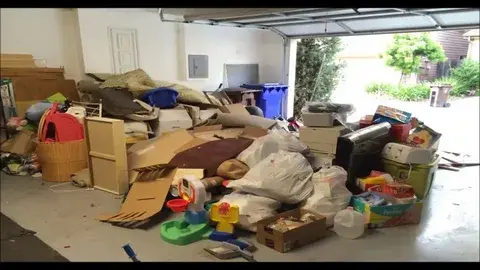
Property owners often face cleanout projects when preparing a home for sale, managing a rental turnover, handling an inherited property, or clearing years of accumulated belongings. These projects can involve bulky furniture, broken appliances, household clutter, and items that require careful sorting before removal. Antz Junk Removal helps property owners address unwanted materials when a cleanout requires more labor and hauling capacity than they can manage alone. In these situations, house cleanout services can simplify the process by coordinating removal, loading, transportation, and appropriate disposal according to the property's needs.
Key Takeaways
Cleanout projects vary according to property size, item volume, and the condition of the space.
Sorting belongings before removal helps protect valuables and important documents.
Service costs often depend on labor, hauling volume, accessibility, and material type.
Restricted materials may require separate handling through suitable disposal channels.
What Do House Cleanout Services Usually Include?
A house cleanout generally involves removing unwanted belongings and materials from designated areas of a property. Depending on the agreed scope, the work may cover bedrooms, basements, attics, garages, storage rooms, and common living areas. Some projects focus on a few bulky items, while others require clearing most of a home before renovation, sale, or occupancy.
The process often begins with an assessment of the items to be removed. The property owner identifies what should stay, what can be donated or reused, and what needs disposal. A removal team can then determine the labor, equipment, vehicle capacity, and time required to complete the work.
Cleanout services may include carrying items from the building, loading them into a truck, transporting them away, and directing materials toward suitable disposal or recovery options. However, the exact scope differs by provider. Owners should confirm whether garages, outdoor storage areas, detached sheds, and heavy items are included rather than assuming every area will be cleared under one arrangement.
The most useful service is one that matches the property's actual condition. A lightly furnished home may require limited loading, whereas a property containing packed storage rooms, damaged furniture, and years of accumulated possessions may need additional labor and careful coordination.
Which Situations Commonly Require a Property Cleanout?
Cleanouts are often necessary when a property changes ownership or use. Sellers may need house cleanout services to remove unwanted belongings before listing a house, while landlords may need to clear abandoned items between tenancies. Families handling an estate may also need to organize possessions before distributing belongings or preparing the home for its next purpose.
Renovation projects create another common need. Old cabinets, damaged furnishings, loose household items, and accumulated storage materials can obstruct contractors and limit working space. Clearing these items before work begins helps create a more accessible environment, although construction debris and hazardous materials may require a separate service.
Property condition also affects the approach. A home with narrow hallways, steep stairs, limited parking, or restricted access may require additional planning. Inherited homes and long-term storage properties can present another challenge because useful possessions, sentimental belongings, and disposable items may be mixed together.
Owners should establish the intended outcome before scheduling removal. A pre-sale cleanout may prioritize visible living areas, while a complete turnover could include closets, utility rooms, and outdoor storage. Defining the scope early helps avoid misunderstandings about which items and areas are included.
How Can Owners Prepare Before a Cleanout?
Preparation helps prevent accidental disposal, reduces delays, and makes the removal process easier to coordinate. Owners should first identify belongings that must remain in the property, including legal records, photographs, jewelry, medication, financial paperwork, and items with personal significance. These possessions should be removed from the work area or clearly separated before loading begins.
A walkthrough can also reveal practical issues. Owners should note large furniture, heavy appliances, fragile objects, stairs, narrow doorways, and parking restrictions. If the property is occupied, household members should agree on which belongings can be removed so that workers do not have to make decisions about ownership or sentimental value.
For properties in areas with limited curbside space or shared driveways, owners should check access arrangements in advance. Some neighborhoods may have building rules, loading restrictions, or disposal requirements that affect scheduling. Confirming these details can reduce interruptions on the day of service.
A useful preparation method is to divide belongings into clear categories: keep, donate or reuse, and remove. Items requiring special disposal should be placed in a separate category. This simple approach helps distinguish ordinary household clutter from materials that need additional attention.
Practical Preparation Checklist
Secure personal documents, valuables, medication, and sentimental belongings before work begins.
Mark items that must remain so the removal team can identify them easily.
Confirm which rooms, storage areas, and outdoor spaces are included in the service.
Discuss stairs, parking, access restrictions, and oversized items before scheduling.
Separate potentially hazardous or restricted materials from ordinary household items.
What Affects the Cost of a House Cleanout?
The price of a cleanout depends on the amount and type of material, the work required to remove it, and the conditions at the property. A small pickup involving a few pieces of furniture is different from a full-house project requiring multiple workers, extensive carrying, and several loads.
Volume is one of the main considerations. Some providers estimate the job based on the space items occupy in a truck, while others consider labor, item categories, or the overall project scope. Owners should ask how estimates are calculated and whether the quoted amount includes loading, transportation, disposal charges, and any additional labor.
Accessibility can also influence the final cost. Items stored upstairs, in cramped basements, or behind difficult entry points may take longer to remove. Heavy appliances, oversized furniture, and unusually bulky objects can require additional handling or equipment. A property with a clear entrance and organized belongings may be easier to service than one with blocked pathways.
Local disposal requirements and the types of materials involved may affect the available options. For example, ordinary furniture and household items may be handled differently from electronics, paint, chemicals, or other restricted materials. Owners should disclose unusual items before accepting an estimate.
When comparing quotes, property owners should evaluate the complete scope rather than selecting a provider based only on the lowest initial price. A written estimate that describes included areas, labor, hauling, exclusions, and possible additional charges offers a clearer basis for comparison.
How Should Owners Evaluate a Cleanout Provider?
Choosing a provider involves more than finding someone with a truck. Owners should look for clear communication, a defined service scope, appropriate handling practices, and a realistic explanation of pricing. The provider should be willing to discuss what can be removed, what may require separate arrangements, and how the work will be carried out.
Experience with similar properties can also be relevant. An estate cleanout, a rental turnover, and a home being prepared for renovation may involve different priorities. Asking about comparable projects can help owners understand whether the provider is prepared for the property's specific requirements.
Before confirming the appointment, owners should clarify arrival windows, payment terms, cancellation policies, and the expected junk removal timeline based on the volume and type of items being removed. They should also ask about the process for handling items that were not included in the original assessment and whether donation or recycling options are available for suitable materials, rather than assuming every item will be diverted from disposal.
Questions Worth Asking Before Booking
What rooms, structures, and categories of belongings are included in the quoted service?
Does the estimate cover labor, loading, transportation, and disposal fees?
Are there additional charges for stairs, heavy items, long carrying distances, or extra loads?
Which materials cannot be accepted, and how should those items be handled?
Can reusable belongings be directed toward donation or recycling when appropriate?
What Happens to Items After Removal?
Not every item removed from a property needs to follow the same disposal route. Furniture in usable condition, working appliances, and certain household goods may be suitable for donation or reuse, depending on their condition and local acceptance policies. Other materials may be recyclable, while damaged or contaminated items may require disposal through appropriate facilities.
Owners can support responsible handling by separating reusable belongings before the cleanout begins. They should not assume, however, that every item can be donated or recycled. Organizations may decline items with significant damage, missing parts, sanitation concerns, or limited demand.
Electronics, batteries, paint, solvents, and household chemicals can require special collection or handling. These materials should be identified before the appointment so the provider can explain whether they are accepted or need a separate disposal arrangement. Suspected asbestos, unknown chemicals, and other potentially hazardous substances should not be mixed with ordinary household waste.
For property owners managing a large clearance, it is useful to ask how different material categories will be handled. Clear expectations help prevent unsuitable items from being placed in standard loads and allow the project to proceed with fewer interruptions.
What Should Property Owners Consider Before Making a Decision?
The right cleanout approach depends on the property's purpose, deadline, condition, and the owner's ability to manage sorting and lifting. Someone preparing a home for sale may prioritize clearing visible rooms quickly, while an owner handling an estate may need more time to review personal belongings and coordinate decisions with family members.
Time is an important factor, but rushing can create avoidable problems. Owners should allow time to locate important records, check storage areas, and identify belongings that should not be removed. If several people share responsibility for the property, agreeing on decisions beforehand can prevent disputes and reduce the chance of losing something valuable.
Safety also deserves attention. Heavy furniture, awkward appliances, cluttered stairs, and blocked pathways can increase the risk of falls or lifting injuries. Owners should avoid attempting difficult removals without suitable equipment and help. If the property contains mold, pest activity, structural damage, or suspected hazardous substances, those conditions may need professional assessment before ordinary cleanout work begins.
Finally, owners should consider how much involvement they want during the project. Some prefer to supervise each area, while others arrange access and provide written instructions. Whatever the approach, a clear inventory of items to keep and a confirmed scope of work help everyone understand the expected result.
Frequently Asked Questions
How long does a house cleanout usually take?
The timeline depends on the property's size, the quantity of belongings, access conditions, and the amount of sorting required. A small removal may take only a short appointment, while a heavily furnished home or extensive estate cleanout may require substantially more time. An assessment provides a more realistic estimate.
Should property owners sort everything before scheduling a cleanout?
Complete sorting is not always necessary, but owners should identify belongings that must stay. Important documents, valuables, personal keepsakes, and items belonging to other household members should be secured before removal begins. Clear instructions can help prevent accidental disposal.
Can a cleanout include a garage, basement, or attic?
Many providers can clear these spaces, but inclusion depends on the agreed scope. Owners should identify every area they want cleared when requesting an estimate. Difficult access, heavy items, or restricted materials may affect the schedule and price.
Are all unwanted household items accepted?
No. Providers may accept common furniture, household clutter, and certain appliances but exclude hazardous substances, some electronics, construction materials, or other restricted items. Owners should disclose unusual materials in advance and confirm the appropriate handling arrangements.
Is it possible to donate or recycle items during a cleanout?
Some usable belongings may be suitable for donation, reuse, or recycling, depending on their condition and the receiving organization's requirements. Owners should ask about these options before the appointment and separate appropriate items when possible. Not every material can be diverted from disposal.
Making a Property Cleanout More Manageable
A successful cleanout starts with a clear plan, a realistic understanding of the property's contents, and agreement about what should remain. Owners who identify personal belongings, confirm access arrangements, and discuss the service scope beforehand are better positioned to avoid delays and unexpected costs.
The goal is not simply to remove unwanted objects. It is to prepare the property for its next use while protecting important possessions and ensuring that materials are handled appropriately. By evaluating the work required and asking direct questions before booking, property owners can choose an approach that fits their timeline, budget, and priorities.
Arrange a House Cleanout for the Property
Property owners planning a home clearance can begin by identifying the areas that need attention, estimating the volume of unwanted belongings, and listing any bulky or unusual items. Antz Junk Removal can discuss the property's requirements and help determine the scope of removal needed. Before scheduling, owners should share access details, deadlines, and special handling concerns. A clear conversation about the work, pricing, and accepted materials helps establish expectations and makes it easier to plan the next steps for the property.

Comments