
What Is Included in a Residential Junk Removal Service?
A home can accumulate unwanted furniture, broken appliances, outdated electronics, packaging, and general clutter that becomes difficult to manage without help. Antz Junk Removal assists property owners with removing these items, handling the heavy lifting, loading materials, and arranging transportation for appropriate disposal. The exact services depend on the provider, the volume of waste, and the types of materials involved. A residential junk removal service typically covers an initial assessment, item collection, loading, hauling, and disposal or recycling when suitable options are available.
Key Takeaways
Services commonly include lifting, loading, transportation, and disposal of unwanted household items.
Furniture, appliances, yard debris, and general clutter may qualify for removal, depending on provider policies.
Pricing often depends on load size, labor requirements, access, and material type.
Sorting belongings and identifying restricted items before pickup can make the process smoother.
What Does a Residential Junk Removal Service Usually Include?
A typical removal appointment starts with an assessment of the items and the work involved. The provider determines how much material needs to be removed, checks access routes, and identifies any items that require special handling. Some companies offer estimates based on photographs, while others assess the load in person before confirming the price.
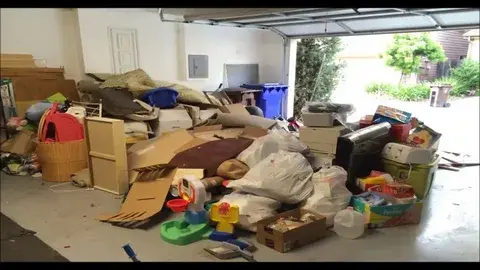
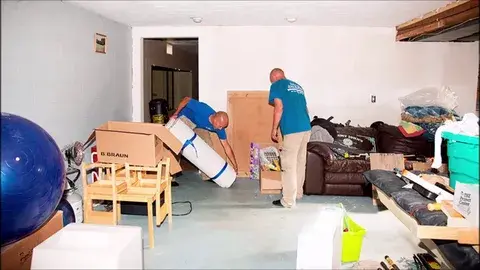
Once the scope is agreed upon, the crew moves approved items from their current locations to the collection vehicle. This may involve carrying furniture down stairs, moving boxes through narrow hallways, or removing bulky objects from a garage. The service generally includes loading and transportation, so residents do not need to move every item to the curb unless the provider requires it.
The final stage involves taking the collected materials to appropriate destinations. Depending on their condition and local facilities, some items may be suitable for donation, reuse, recycling, or disposal. Residents should ask how the company handles different materials rather than assuming every item will be recycled.
Which Household Items Can Be Removed?
Most residential removal services accept a broad range of everyday household items. Common examples include sofas, mattresses, tables, chairs, shelving, clothing, toys, boxes, and unwanted household goods. These services can also help clear garages, storage areas, spare rooms, and properties following a move.
Appliances such as refrigerators, washing machines, dryers, and ovens may also be accepted. However, requirements vary because some appliances contain refrigerants, electrical components, or other materials that need special processing. Residents should identify these items when requesting an estimate and confirm whether disconnection or preparation is required before collection.
Outdoor and renovation-related materials may qualify as well. Branches, leaves, old patio furniture, fencing pieces, and small amounts of nonhazardous debris are accepted by some providers. Construction waste, heavy concrete, paint, chemicals, fuel, and other restricted materials may require a separate specialist service.
Items Commonly Accepted
Furniture, mattresses, and unwanted household belongings.
Appliances and selected electronic equipment.
Boxes, general clutter, and garage contents.
Yard waste and certain nonhazardous renovation materials.
How Are Pricing and Service Scope Determined?
The cost of removing household items usually depends on the amount of space they occupy in the collection vehicle. A few chairs and several boxes require less capacity than a garage filled with furniture, appliances, and miscellaneous belongings. Some providers use volume-based pricing, while others consider labor, item type, weight, or a combination of these factors.
Access can affect the work involved. Items located on an upper floor, in a cramped basement, or behind obstacles may take longer to remove than objects placed near an accessible entrance. Heavy appliances and oversized furniture can also require additional crew members or specialized equipment.
The U.S. Environmental Protection Agency has reported that the United States generated approximately 292.4 million tons of municipal solid waste in 2018, with about 69 million tons recycled and 25 million tons composted. Although these figures cover the wider waste system rather than residential pickups alone, they demonstrate why sorting and responsible material handling matter. Actual recycling opportunities depend on the material and available local facilities.
Before booking, residents should request a clear explanation of what the quoted price includes. They should check whether labor, transportation, disposal charges, additional trips, and any special handling fees are included. A written estimate can reduce confusion when the crew arrives.
Preparing a Home Before Collection
A little preparation can make the appointment more straightforward. Residents should identify the belongings that need to go and separate them from items that must remain. This is particularly important during a move, estate cleanout, or garage clearance, when useful possessions may be mixed with unwanted materials.
For a junk removal service in Colorado Springs, homeowners can ask whether crews collect items from inside the property or only from a designated outdoor area. Confirming this detail helps establish the expected level of labor and avoids last-minute changes to the service scope.
Residents should also clear pathways where possible and notify the provider about stairs, narrow doorways, parking restrictions, gates, or other access challenges. They should not attempt to lift heavy furniture or disconnect appliances without the necessary skills and equipment. Instead, they can explain the situation during booking so the provider can determine the appropriate arrangements.
Useful Preparation Steps
Separate items for removal from belongings that will stay.
Identify heavy, oversized, or potentially restricted materials.
Explain stairs, parking limits, and difficult access before booking.
Confirm the estimate, arrival window, and included services.
What Happens to Items After They Are Collected?
Removal does not always mean that every item goes directly to a landfill. Depending on condition, material type, and local requirements, usable furniture or household goods may be suitable for donation or reuse. Metals, cardboard, and certain electronics may also have recycling options through appropriate facilities.
However, not every item can be reused or recycled. Damaged furniture, contaminated materials, mixed debris, and products containing restricted substances may have fewer disposal options. A responsible provider should explain how it handles accepted materials and whether particular items require separate arrangements.
For residents arranging household junk hauling, it is useful to ask whether the provider separates reusable goods and recyclable materials when practical. They can also confirm whether electronics, mattresses, or appliances involve additional fees or special collection requirements.
Hazardous products require extra attention. Items such as solvents, pesticides, fuel, batteries, and certain chemicals may not be accepted in an ordinary household pickup. Local waste programs or licensed specialists can explain the correct handling route for these materials. Residents should disclose anything uncertain before collection rather than placing it in a general load without confirmation.
Factors to Consider Before Choosing a Provider
The lowest initial estimate may not represent the best overall value if important services are excluded. Residents should compare the total cost, the amount of material covered, the labor provided, and the company's policies for difficult or restricted items. They should also establish whether the estimate can change after the crew evaluates the load.
Scheduling and communication matter, particularly when a property must be cleared before a move, inspection, rental turnover, or renovation. A provider should explain its arrival window, cancellation terms, payment process, and procedures for unexpected changes. Clear answers help residents plan around other property-related tasks.
Experience with the specific type of removal is another consideration. Clearing a few pieces of furniture differs from emptying a packed basement or removing bulky appliances from a multi-story home. Residents should describe the project accurately and ask whether the crew has the equipment and capacity to complete it in one visit.
Questions Worth Asking Before Booking
Does the estimate include labor, hauling, and disposal charges?
Which materials are excluded or require additional fees?
Will the crew collect items from inside the home?
Are donation and recycling options available for suitable items?
Frequently Asked Questions
What is included in a residential junk removal service?
Most services include an assessment, lifting, loading, transportation, and disposal or diversion of accepted items. Some providers also collect belongings from inside the home, although access arrangements and service limits should be confirmed before booking.
Do residents need to move everything outside before pickup?
Not always. Many providers can remove items from rooms, basements, garages, or other areas inside the property. The booking terms should confirm whether indoor collection is included and whether additional labor charges apply.
Can appliances and electronics be collected?
Many companies accept selected appliances and electronic devices, but restrictions vary. Refrigerators, certain electronics, and equipment containing special components may require specific handling. Residents should list these items when requesting an estimate.
How is junk removal priced?
Pricing may depend on load volume, item weight, labor, access, transportation, and disposal requirements. Residents should request an itemized or clearly explained estimate and ask about possible extra charges before confirming the appointment.
Are hazardous materials included in ordinary household removal?
Usually, hazardous materials such as chemicals, fuel, pesticides, and solvents require separate handling. Residents should disclose these materials in advance and contact the appropriate local waste program or specialist for disposal instructions.
Making Household Clear-outs Easier
A well-planned removal appointment can help residents reclaim useful space without managing every stage themselves. Understanding the included labor, accepted materials, pricing structure, and disposal process allows them to compare providers and prepare their properties more effectively. Clear communication before collection also helps prevent unexpected costs and delays.
Arrange a Residential Junk Removal Appointment
When unwanted belongings begin taking over a home, timely removal can restore usable space and make cleaning, moving, or property preparation easier. Antz Junk Removal can discuss the items involved, access conditions, scheduling needs, and available removal options before the appointment. Residents should prepare a clear list of the materials they want collected and mention any bulky or restricted items in advance. Contact the company to discuss the project, request an estimate, and determine the appropriate next steps for clearing unwanted household items.
Comments